The allure of chance: Understanding risk-taking behavior
One of the most fascinating aspects of human behavior is our relationship with risk, particularly in settings like casinos. The thrill of potentially winning a jackpot can lead to an adrenaline rush that motivates many to participate in games of chance. This risk-taking behavior is often driven by cognitive biases, such as optimism bias, where individuals believe they are more likely to win than the average player. Such perceptions can skew decision-making and push players toward games that offer the possibility of high rewards. Moreover, many players find that exploring different poker websites can also be a thrilling element of their gaming experience.

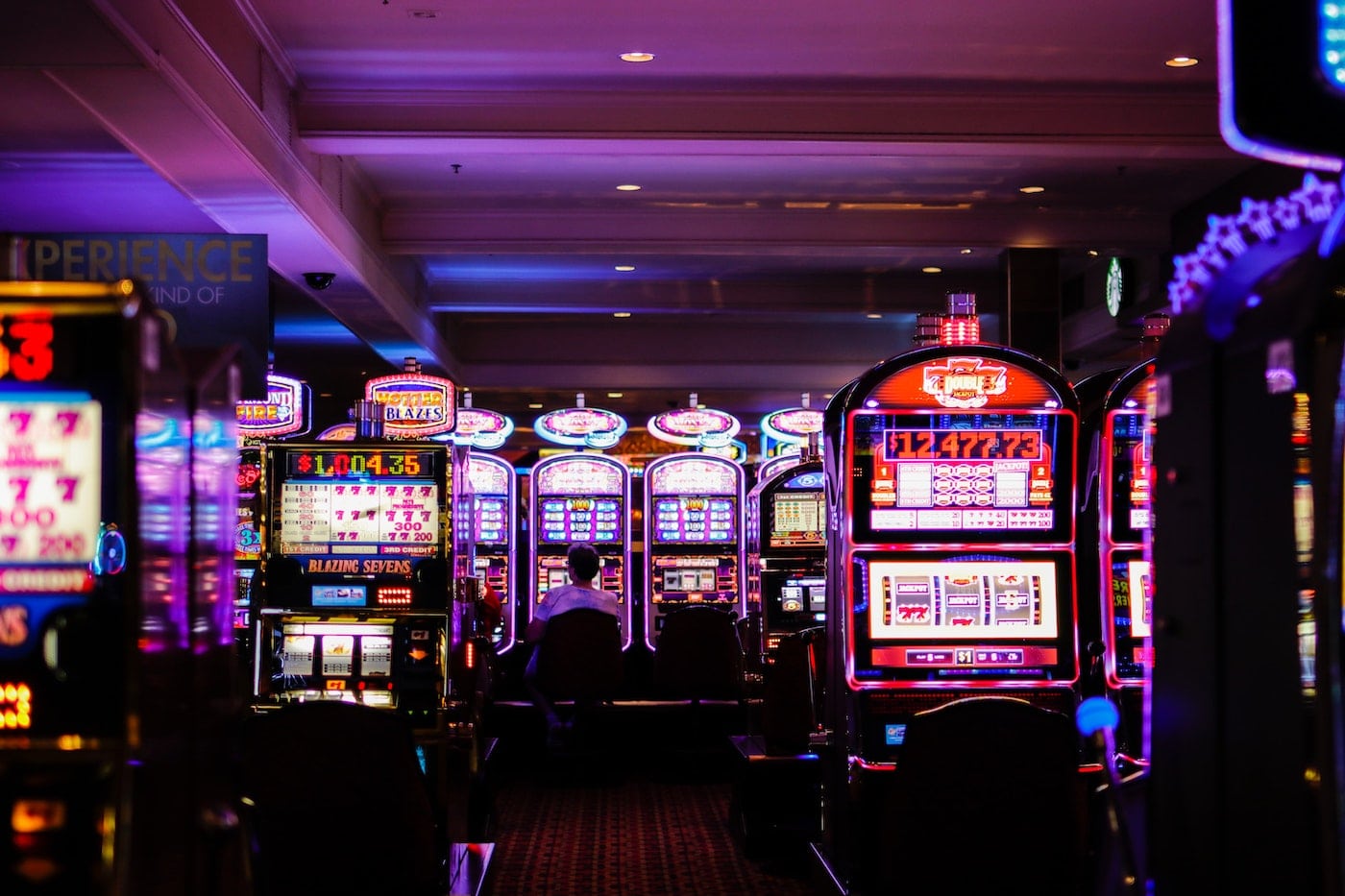
This attraction to risk is not solely about the money; it also taps into deeper psychological needs. For many, gambling can serve as an escape from everyday life, providing a sense of excitement and unpredictability. The environment of a casino, filled with lights, sounds, and engaging visuals, enhances this experience, creating a stimulating atmosphere that encourages further participation in games.
Game selection: What influences player preferences?
The choices players make regarding which games to play can reveal a lot about their psychological state. Factors such as personal experiences, social interactions, and even cultural backgrounds can significantly influence these decisions. For instance, someone who has had positive experiences with slot machines is more likely to gravitate towards them in the future, seeking to replicate that thrill.
Additionally, social factors play a crucial role in game selection. Players often choose games that allow for social interactions, such as table games where they can connect with friends or other players. This communal aspect can enhance the overall enjoyment of gambling, making the experience less about winning and more about social bonding and entertainment.
The role of emotions in gambling behavior
Emotions have a profound impact on gambling behavior, affecting how players choose their games and how they respond to wins and losses. Positive emotions can lead to more engaging and riskier betting behaviors, while negative emotions often result in more cautious play. Understanding this emotional landscape is essential for both players and casinos, as it can influence not only individual game choices but also overall gaming strategies.
Moreover, the phenomenon of “tilting,” where players continue to gamble in hopes of recouping losses, highlights the complex emotional interactions involved in gambling. This behavior can stem from frustration or desperation, leading to irrational decision-making that often exacerbates losses. Casinos can leverage this understanding by creating environments that evoke specific emotions, thereby influencing player behavior and game choice.
Marketing strategies and their psychological impact
Casinos utilize various marketing strategies to draw players in, often capitalizing on psychological principles. Promotions, bonuses, and loyalty programs are designed to create a sense of urgency and FOMO (fear of missing out), compelling players to join in on the action. These tactics tap into basic human instincts, manipulating the desire for rewards and enhancing the appeal of certain games.
Furthermore, the strategic placement of games within a casino can also influence behavior. Games that require more skill, like poker, are often placed in areas where they can be easily accessed and surrounded by social interactions, while slot machines are located in high-traffic areas to attract casual players. This careful planning maximizes player engagement and game selection, demonstrating the intersection of psychology and marketing in casino environments.
Conclusion on casino choices and their implications
Understanding the psychology behind casino game choices not only benefits players seeking to enhance their gaming experience but also provides valuable insights for casino operators aiming to create engaging environments. By acknowledging factors such as risk-taking behavior, emotional influences, and strategic marketing, both players and casinos can navigate the complexities of gambling more effectively.
Additionally, as you explore different games and the experiences they offer, it is essential to remain mindful of access issues that may arise. Resources exist to help guide users through potential obstacles, ensuring a smooth and secure gambling experience. Engaging in responsible gaming while being aware of the psychological elements at play can significantly enhance your enjoyment at the casino.